Social Work Student Association at CSUSB, President (2024-2025)
Drafted and published club Constitution & Bylaws
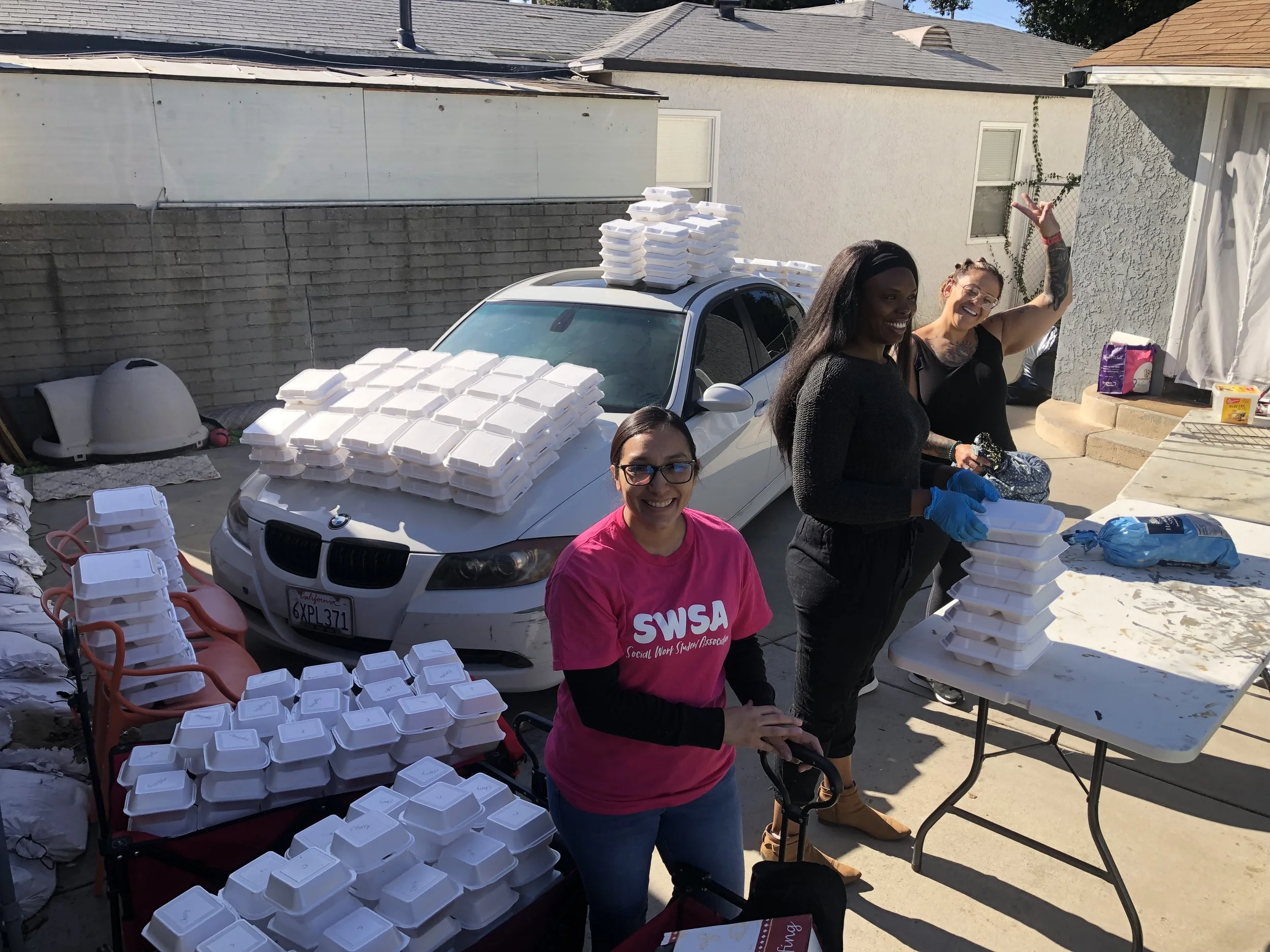
Facilitated and hosted multiple fundraising activities towards charitable donations made to domestic violence shelters and community health clinics
Completed numerous leaderships training programs
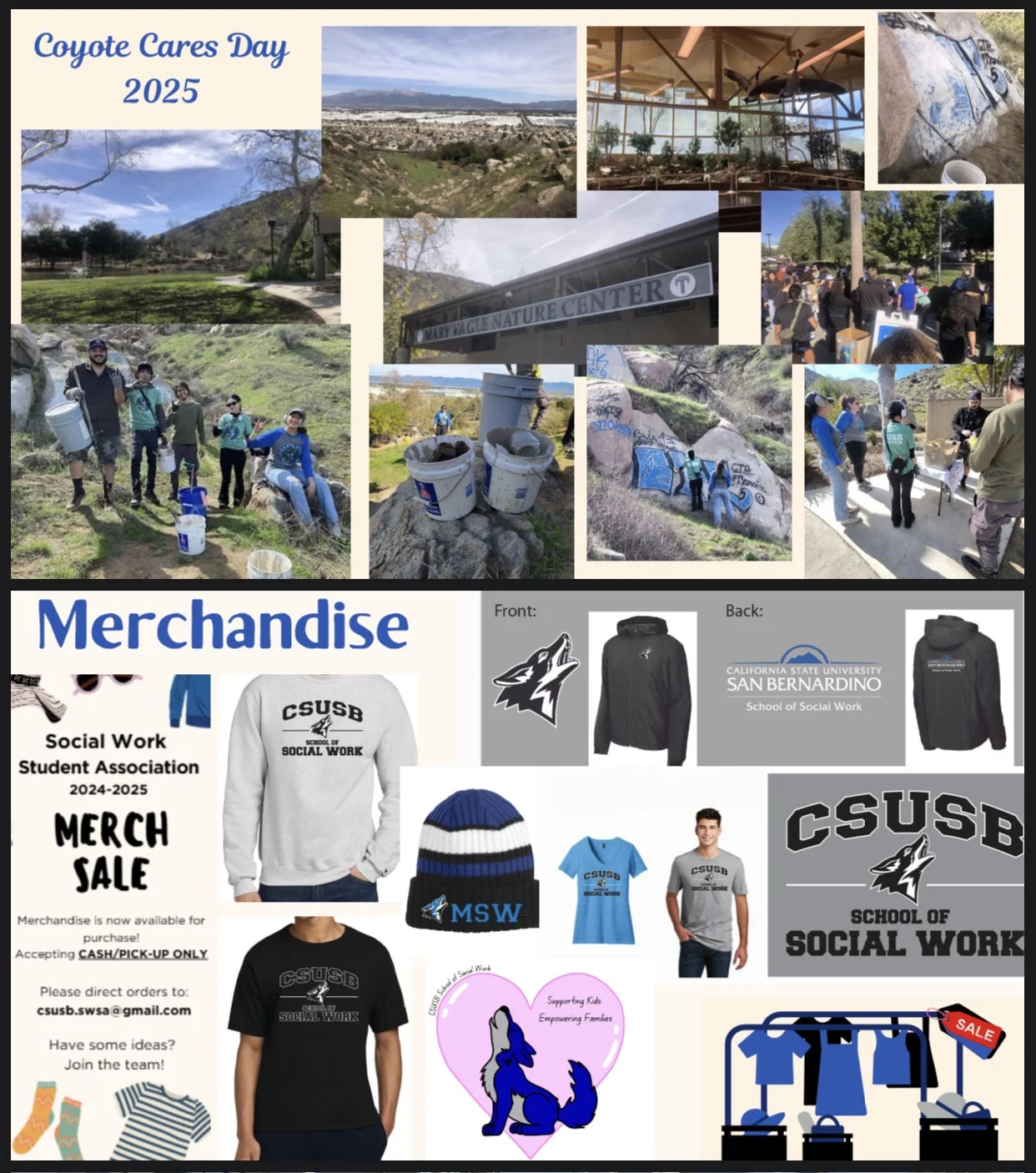
Designed and produced variety of fashion merchandise for student body
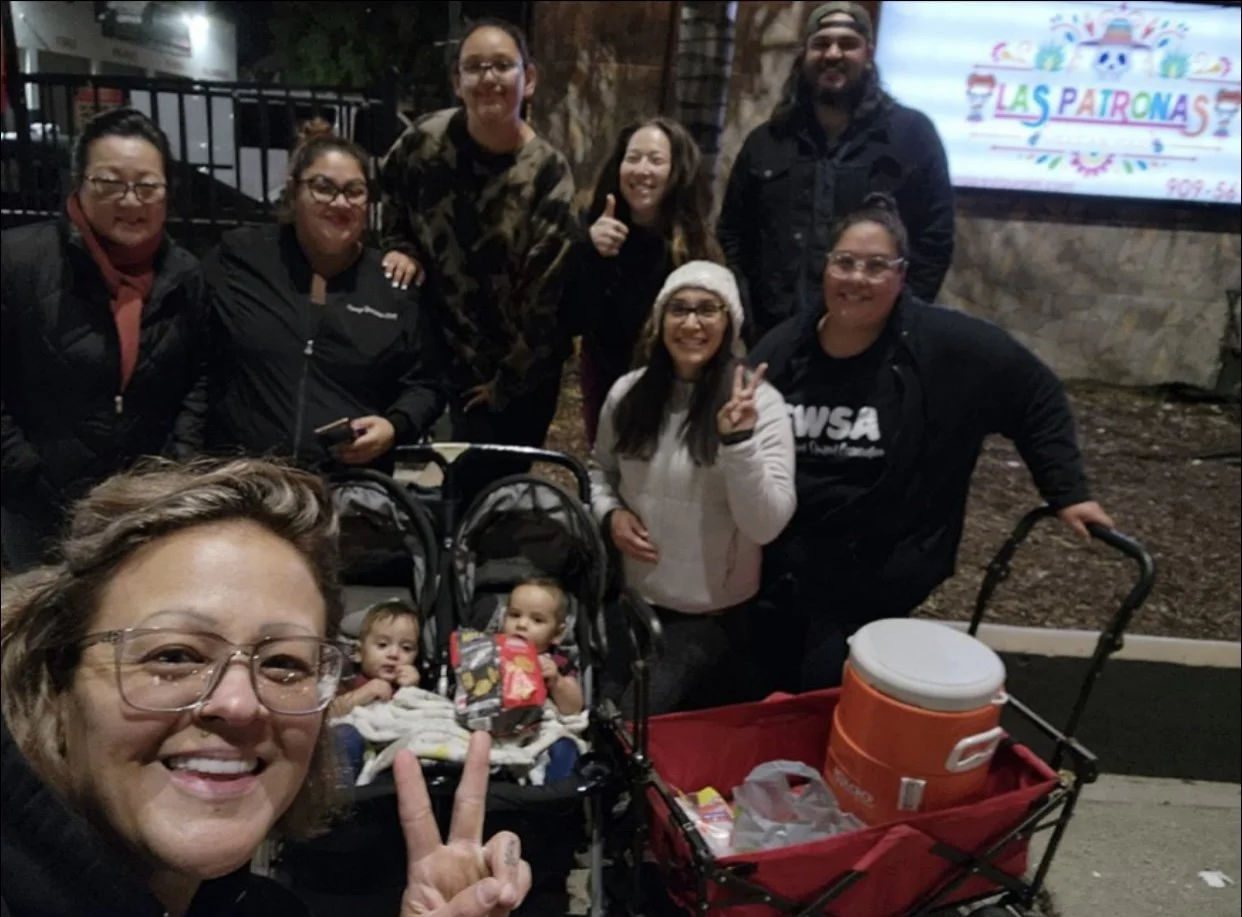
Collaborated with local community agencies to generate engagement opportunities
Managed club bank account, inventory, and various revenue streams
Re-chartered dormant organization Cal State San Bernardino
Recruited board members and officers for SWSA
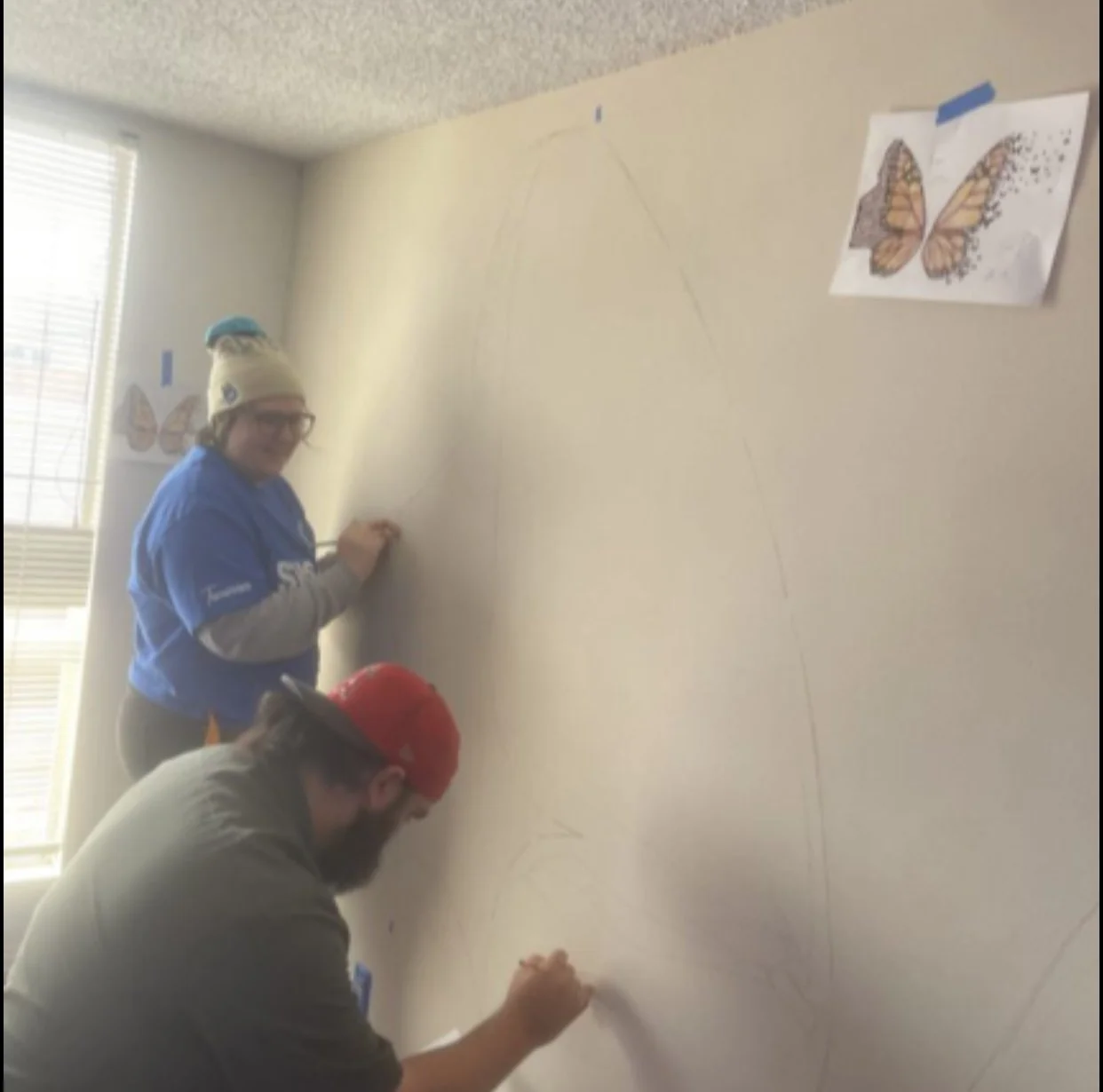
Participated in various service projects throughout campus and local community
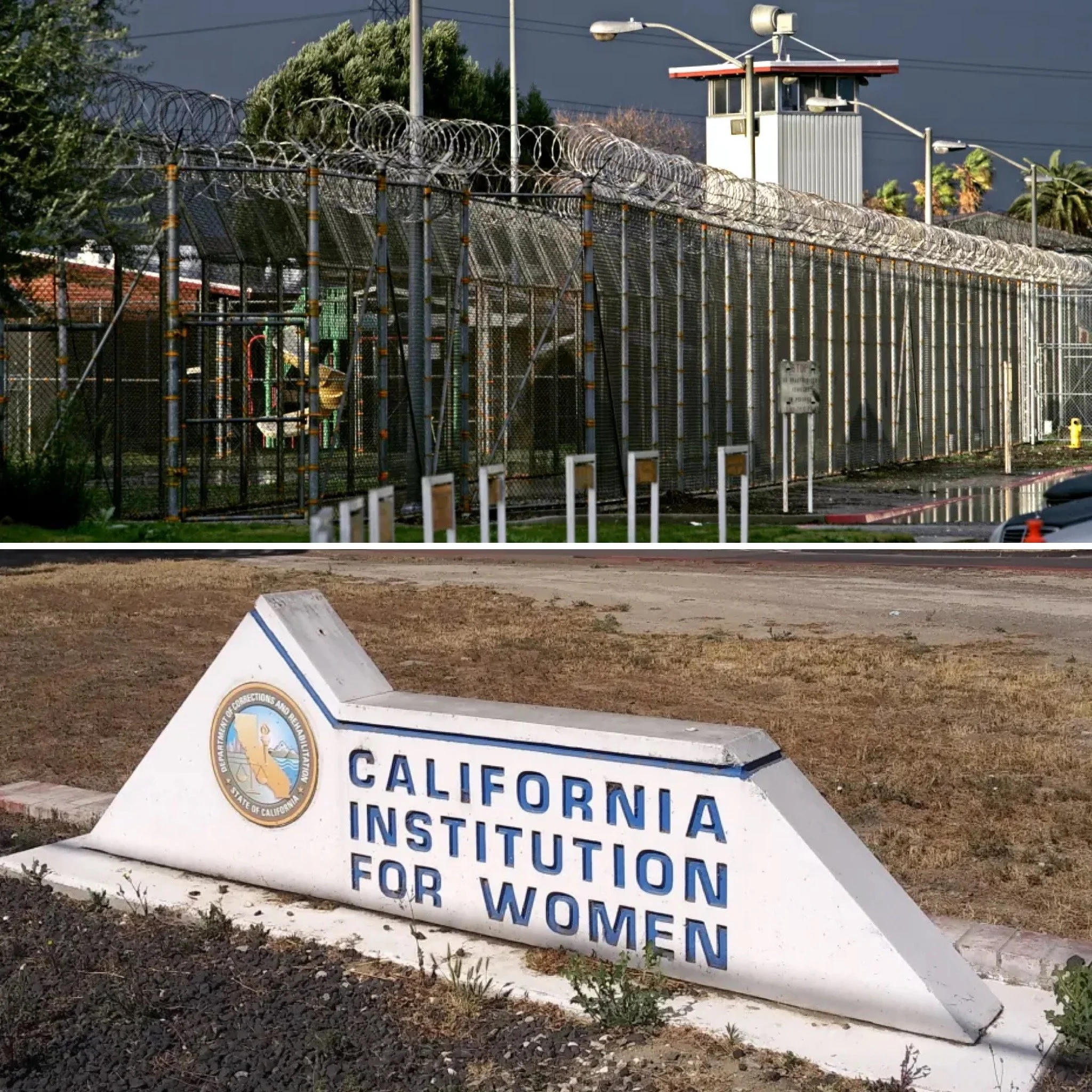
California Institution for Women | CDCR, Social Work Intern (2025)
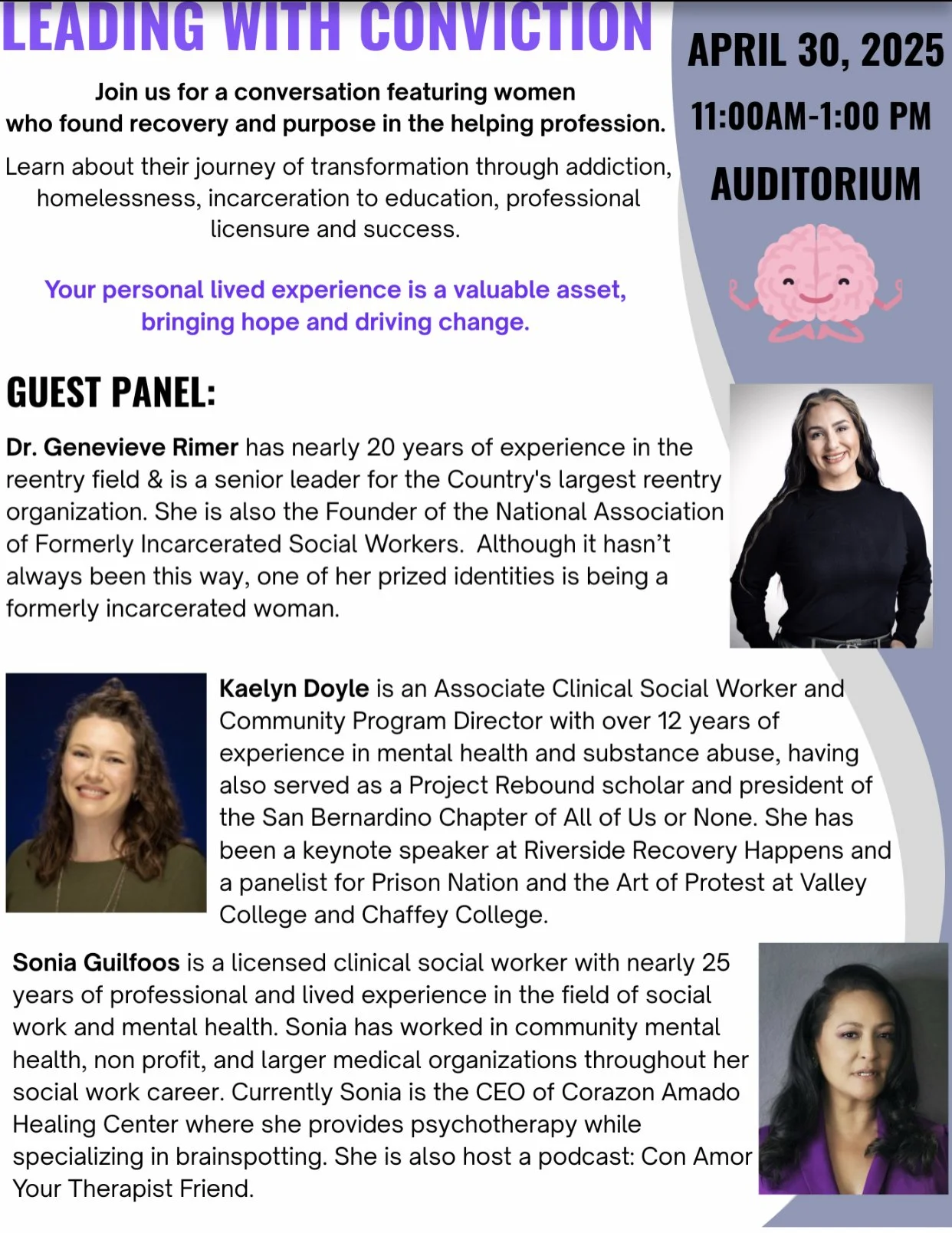
“SWSA President Arthur Stone successfully completed his macro project at the California Institution for Women, coordinating a guest-panel discussion inside the prison: “Leading With Conviction” featuring Dr. Genevieve Rimer, Kaelyn Doyle (ACSW) and Sonia Guilfoos (LCSW). These inspiring women (and CSUSB Alums!) shared their journey of transformation through addiction, homelessness, incarceration to education, professional licensure, and success, earning Arthur a Community Engagement Award from CSUSB.” - @swsacsusb
California Institution for Women | CDCR, Clinical Social Worker (2026)
Currently in process of coordinating a three-part, in-person education training program for incarcerated individuals interested in pursuing a career in helping profession. “Pathways to Social Work: Lived Experience as Professional Expertise”, will be hosted by the National Association of Formerly Incarcerated Social Workers (NAFISW), led by Dr. Rimer and her team
Program Description:
“The National Association of Formerly Incarcerated Social Workers (NAFISW) proposes a three-part educational training series designed to introduce incarcerated women to social work and related helping professions as viable, values-driven career pathways for individuals with criminal convictions.
The program centers lived experience as professional expertise, highlighting how personal histories—including justice involvement, mental health challenges, homelessness, and trauma—can ethically and responsibly inform effective helping practice. Each session features a guest speaker with lived experience and professional expertise, supported by facilitated discussion and structured group activities.